

Beschreiwung

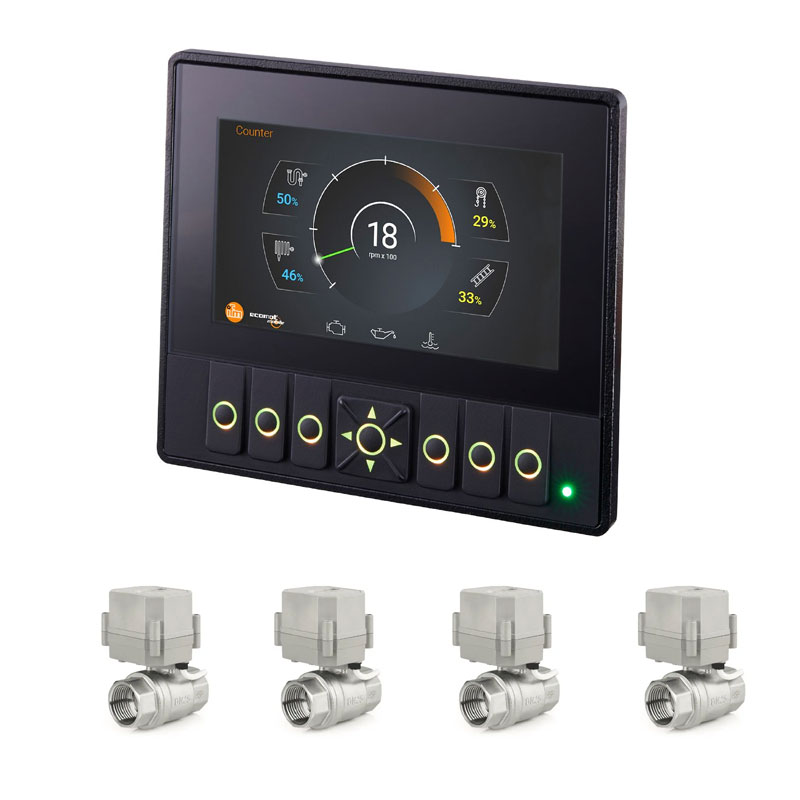
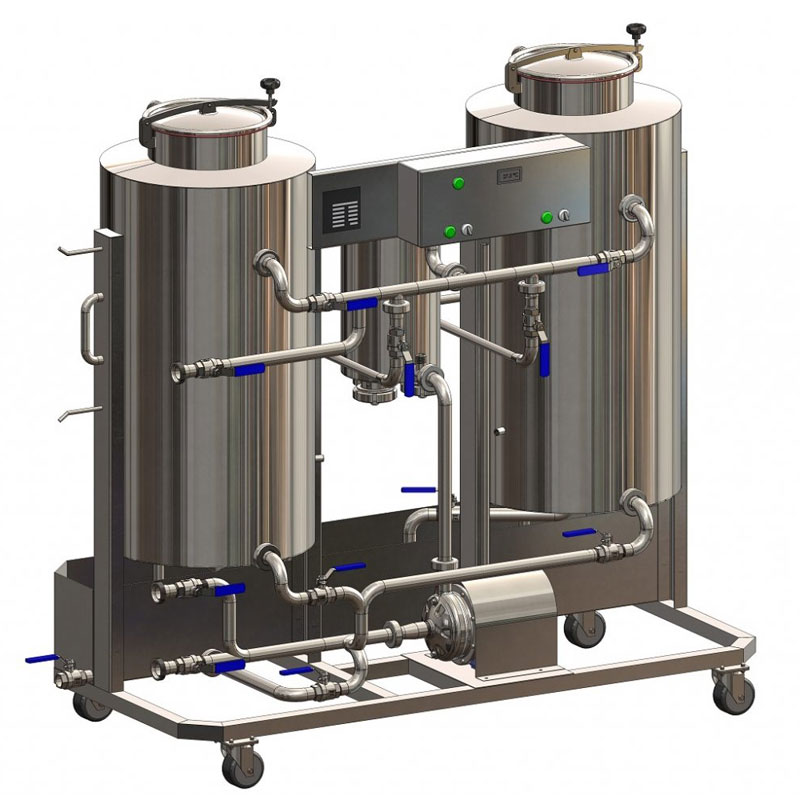
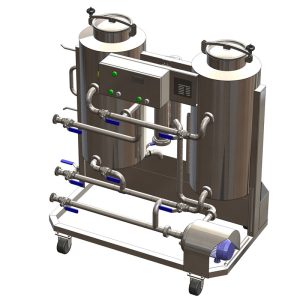
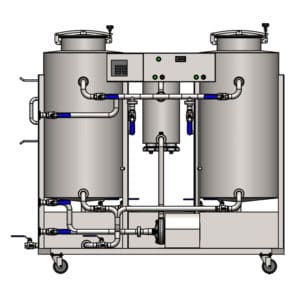
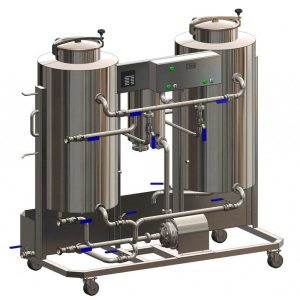
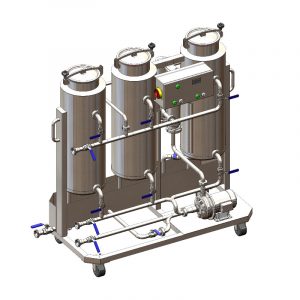
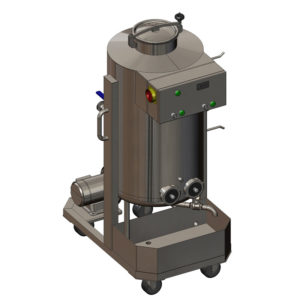
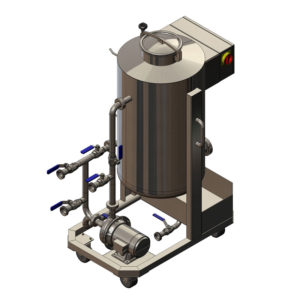
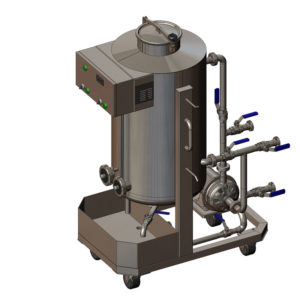
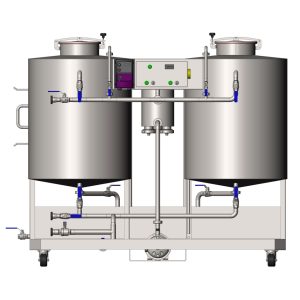
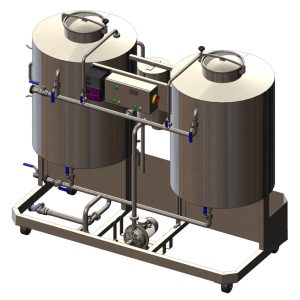
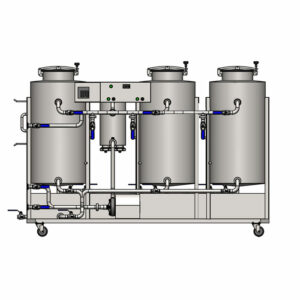
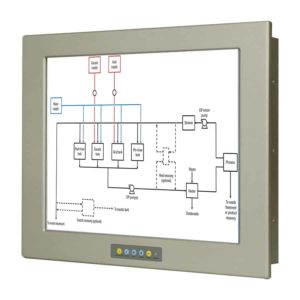
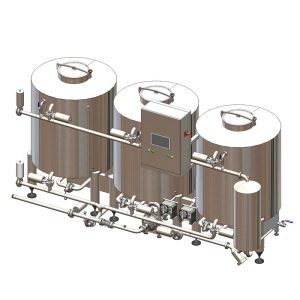
CIP-AM2 ass en automatesche Kontrollsystem fir déi mobil Cleaning In Place Systemer mat zwee Panzer. D'Automatiséierung beinhalt all d'Funktiounen déi néideg sinn fir d'Botzen an d'Sanéierung vun all Behälter perfekt ze maachen an optional och Päifen a Schlauchen an enger Brauerei mat engem spezielle Programm, Sensoren, motoriséiert Ventile a PLC Industriecomputer mat dem No-Touch Display. Dëse Kontrollsystem ass kompatibel nëmme mat den CIP-102 an CIP-202 Maschinnen.
Den automateschen Kontrollsystem enthält:
I. Hardware
- PLC Prozessor Eenheet: IFM CR1140 Ecomat
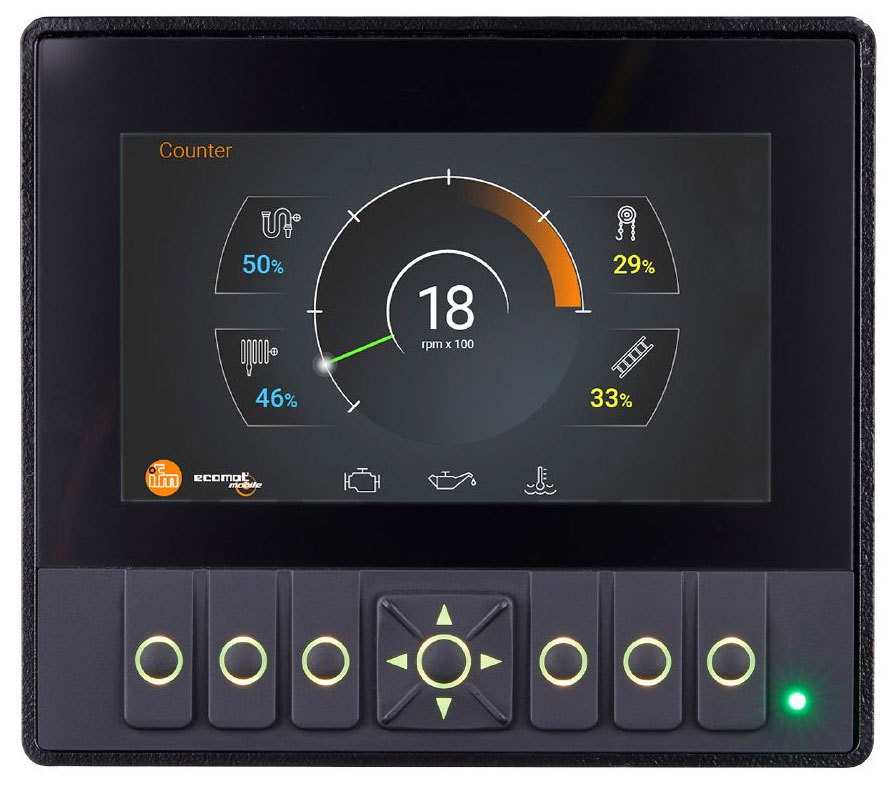
- Display: IFM Ecomat Display 4.3" (keen Touch, mat Kontrollknäppchen)
- Motoriséiert Ventile - 7 Stéck Servoventil 1" + 2 Stéck Servoventil 5/4"
- Thermosensoren - 1 Stéck IFM TA2135
- Conductivity Sensor - IFM LDL200
- Voll Pipe Sensor - IFM LMT100
- Niveausensor - 2 Stéck INDCOM SF141
- Induktioun Flow Meter - IFM SM8120
- IO Link Master - IFM AL1323
- IO Link Modul - IFM AL2334
- Noutfall Stop Button
- Doséierung peristatesch Pompelen - 2 Stéck
- Kabelset - IFM
- Halter vun enger Lagerbehälter mat enger konzentréierter Chemikalie - 2 Stéck
II. Software (manuell an automatesch Operatiounen):
Manuell Operatiounen:
- Selbstreinigung vun der CIP-Statioun (wann d'Maschinn mat der optionaler Ausrüstung fir d'Selbstreinigung ausgestatt ass)
- Schlamm Entfernung vun den CIP Panzer
Automatesch Operatiounen:
- Automatesch Erhalen vum Sanitärléisungsniveau an den Tanks
- Automatesch Doséierung vun de konzentréierte Chemikalien aus Kanisteren an d'Tanks
- Automatesch Erhalen vun der Qualitéit vu Sanitärléisungen wärend dem Botzprozess
- Automatesch Heizung an hält déi chemesch Léisungen op erfuerderlech Temperatur
- Automatesch Spülenzyklus - mat Waasser (wann e Waasserschlauch ugeschloss ass)
- Automatesch Reinigungszyklus - mat chemesche Léisungen aus den Tanks
- Automatesch Entlüftung wann Desinfektiounsléisungen zirkuléieren
- Automatesch Duerchspülen vum Päifsystem
- Automatesch Botzen an Desinfektioun vun de Päifen a Schlauchen (optional, wann d'Maschinn mat der optionaler Ausrüstung ausgestatt ass fir d'Schlauchen a Päifleitungen ze botzen)
- Senséiert a kontrolléiert d'Qualitéit vun der sanéierender Léisung
Entworf nëmme fir déi mobil CIP Maschinnen:
Oft gestallte Froen:
Q : Do I have to program something or is everything already programmed to start based on what I sent you?
A: Everything is already programmed by us. The basic times and temperatures are set, so the unit can be used immediately.
Q : So if so, do I select a cleaning program and everything will happen automatically, or do I have to fill the tanks with water first?
A: After switching on the CIP, the HMI will ask whether the solutions should be prepared – that is, let the water in and dose the chemical solutions to the appropriate concentration. This process can then be started independently in the automatic processes menu.
Q: Will the CIP station automatically start filling with water, both chemical solutions will be diluted automatically and then the heating will start and the cleaning cycle will start by itself?
A: Yes, the preparation cycle will start after switching on the device.
Q : If I need to achieve a different desired concentration of chemical solutions in the tanks, how should I proceed? Where do I enter the desired concentration of alkali and acid?
A: In the manual, in chapter 7, there is a screenshot of the screen showing the conductivity values for the left and right tanks. Here the operator sets the desired conductivity and can also set limits.
Q: What happens if the concentration of chemical solutions decreases during cleaning? Will CIP stop cleaning and add concentrates to the solution or do I have to do it myself?
A: Solutions are prepared before starting the sanitation cycle. During the sanitation cycle, the conductivity will decrease depending on the tank contamination, etc. But it is not possible to pause the sanitation cycle and restart the solution preparation. If we take a model example of tank sanitation – preparation of solutions (concentration + temperature) and subsequent start of the cycle. The tank is first rinsed with water several times and then the sanitation solution is pumped into it and a closed circulation cycle begins. If I wanted to pause the cycle at this point and re-dose the solutions, I would have to pump all the solution back into the tank and start dosing. This does not make sense. The concentration of the solution will not drop so radically that it must be dosed again. However, if the operator determines that the conductivity (concentration) has dropped, he can repeat the sanitation process.
Q: I do not understand what the conductivity meter actually shows and how to work with it.
A: The conductivity meter shows the conductivity of the sanitation solutions. Depending on the type of sanitation solution and temperature, it is necessary to find out what conductivity the solution should have. For example, for a NaOH solution (lye) with a concentration of 2% at a temperature of 60°C, the conductivity is 120 – 140 mS/cm. For this reason, the conductivity value for an insulated tank is set to 114 mS/cm by default. So it really depends on what sanitation solutions you want to use, at what temperatures and in what concentrations. You then have to adjust the conductivity value yourself. The concentration of sanitation solutions, whether acidic or alkaline, must not exceed 5% (It is limited with used materials).


Rezensiounen
Et sinn nach keng Kritik.